Things To Do After A Fender Bender
A fender bender can shake you up, even if it looks minor. Maybe someone tapped your bumper in a parking lot. Maybe you slid into another car at a stoplight. Maybe it happened on Ogden Avenue, Route 59, Washington Street, or in a busy Naperville parking lot. Whatever happened, the steps you take right after the accident matter.
Even a small crash can cause hidden damage. A bumper cover may pop back into place, but sensors, brackets, lights, suspension parts, and cooling parts may still be damaged underneath. Here is what to do after a fender bender so you stay safe, protect yourself, and know when to get your vehicle inspected.
Stay Calm and Check for Injuries After a Fender Bender
The first thing to do is pause and check yourself and your passengers. Make sure everyone is okay. If anyone is hurt, call 911 right away.
Do not jump out of the car without looking around. Traffic may still be moving. If the accident happened on a busy road, stay alert. Turn on your hazard lights and take a few seconds to think before you act.
Even low-speed crashes can cause neck, back, or shoulder pain later. If you feel sore, dizzy, or off in any way, get medical help.
Move Your Car to a Safe Place if Possible
If the vehicles can move and there are no serious injuries, try to move them out of traffic. Pull into a parking lot, side street, or shoulder if it is safe.
If the car cannot move, keep your hazards on and stay in a safe spot away from traffic. In Naperville, some roads get very busy during rush hour. It is not worth standing between cars or walking around in traffic to inspect damage.
Safety first. The car can be fixed.
Call the Police After a Fender Bender When Needed
For some minor accidents, drivers may be tempted to just exchange information and leave. But there are times when calling the police is smart.
You should call the police if there are injuries, major damage, a driver leaves the scene, a driver seems impaired, there is a dispute about what happened, or you need an official report for insurance.
A police report can help document the accident. It can also protect you if the other driver changes their story later.
Exchange Information With the Other Driver
After everyone is safe, exchange information with the other driver. Be polite, but do not admit fault at the scene. Stick to the facts.
Get the other driver’s name, phone number, insurance company, policy number, license plate number, driver’s license information, and vehicle make and model. Also write down the location, date, time, and road conditions.
Here is a simple fender bender checklist:
- Take photos of both vehicles, get the other driver’s insurance info, note the location, write down witness names, save the police report number, check for warning lights, and schedule a vehicle inspection if anything feels off
That one list covers most of what you need in the moment.
Take Photos of the Fender Bender Damage
Photos can help alot. Take pictures before the vehicles are moved if it is safe. If you already moved them, take photos afterward too.
Get clear photos of:
- Vehicle damage
- License plates
- The full scene
- Street signs or nearby landmarks
- Skid marks or debris
- Weather and road conditions
- Insurance cards and driver information
Do not just take one close-up of the bumper. Take wider photos too. Those help show how the accident happened.
Do Not Assume Minor Bumper Damage Is No Big Deal
A bumper is designed to absorb impact. That means damage can be hidden behind the plastic cover.
After a fender bender, hidden damage may include:
- Broken bumper brackets
- Damaged parking sensors
- Misaligned headlights
- Bent radiator support
- Damaged A/C condenser
- Cooling fan damage
- Trunk or hatch alignment issues
- Bent exhaust hangers
- Wheel alignment problems
This is especially true if the car was hit at an angle or if you hit a curb after impact. The outside may look small, but the inside can tell a different story.
Watch for Warning Lights After a Fender Bender
After a crash, pay close attention to your dashboard. Warning lights can appear right away or after you drive a little.
Watch for:
- Check engine light
- ABS light
- Airbag light
- Traction control light
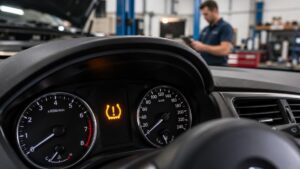
- TPMS tire pressure light
- Temperature warning light
If any warning light comes on, do not ignore it. A sensor, wire, wheel speed sensor, or safety system may have been affected. A scan and inspection can tell what is going on.
Check How the Car Drives After the Accident
If the car is safe to drive, pay attention to how it feels. Do not just look at the bumper and assume everything is fine.
- Signs you should get it checked:
- The steering wheel is off-center
- Car pulls left or right
- New vibration at highway speed
- Grinding, rubbing, or clunking noise
- Brake pedal feels different
- Tire pressure light comes on
- A/C stops blowing cold
- Engine temperature rises
A fender bender can affect alignment, suspension, wheels, brakes, and cooling parts. If something feels different, trust that feeling.
When Not to Drive After a Fender Bender
Do not drive the vehicle if it is leaking fluid, smoking, overheating, has a loose wheel, has damaged lights at night, or the hood will not latch. Also do not drive if the tire is rubbing, the steering feels unsafe, or the airbag light is on after impact.
If you are not sure, call for a tow. Driving a damaged car can make the repair more expensive and can be unsafe.
Call Your Insurance Company or Decide if You Are Paying Out of Pocket
After a minor fender bender, you may choose to file an insurance claim or pay out of pocket. That depends on the damage, deductible, fault, and your insurance situation.
Before deciding, it helps to get the vehicle inspected. What looks like a $500 bumper scuff could become a bigger repair if brackets, sensors, or hidden parts are damaged.
If you are paying out of pocket, get everything in writing. Save estimates, receipts, payment records, and any agreement with the other driver.
Why a Post-Accident Vehicle Inspection Matters
A post-accident inspection is not just about body damage. It is about safety.
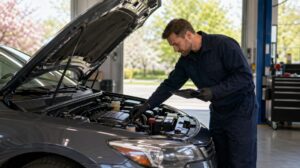
At Nelson’s Service Inc., a vehicle inspection can help check the systems that may be affected after a fender bender. That can include tires, brakes, suspension, steering, lights, fluids, cooling system parts, and warning lights.
If you were in a fender bender and want peace of mind, start with our vehicle inspections page. A proper inspection can help find small issues before they become bigger problems.
Fender Benders in Naperville and Local Driving Conditions
Naperville drivers deal with a mix of busy roads, stop-and-go traffic, crowded parking lots, winter ice, and potholes. Fender benders happen alot in shopping centers, school pickup lines, parking garages, and on slick roads after snow or freezing rain.
Winter accidents can also hide extra issues. A small slide into a curb can damage a tire, wheel, control arm, or alignment. Salt and slush can make old parts weaker too. If the accident happened during bad weather, it is smart to inspect more than just the bumper.
What Nelson’s Service Inc. Can Check After a Fender Bender
After a fender bender, Nelson’s Service Inc. can inspect your vehicle for safety and drivability issues. We can look for leaks, damaged lights, tire and wheel damage, suspension movement, brake issues, warning lights, and signs the cooling system or A/C parts were affected.
We will explain what we find in plain language. If something is urgent, we will tell you. If something can wait, we will tell you that too. The goal is to help you make a smart repair decision, not scare you into work you do not need.
Schedule a Post-Fender Bender Inspection With Nelson’s Service Inc.
A fender bender may seem small, but hidden damage can affect safety, tire wear, braking, steering, and cooling. If you were recently in a minor accident in Naperville, bring your vehicle to Nelson’s Service Inc. for a clear inspection and honest advice.
Schedule a vehicle check today and make sure your car is safe before you keep driving.