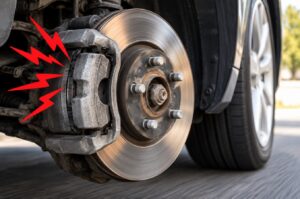
Why Is My Car Leaking Coolant? Causes, Symptoms, and What to Do
If you’ve noticed a puddle of colorful fluid under your vehicle or your temperature gauge creeping into the red, your car may be leaking coolant. A coolant leak is a serious issue that, if ignored, can lead to engine overheating, expensive repairs, or even total engine failure.
In this in-depth article, we’ll cover:
- What coolant is and why it matters
- Common signs of a coolant leak
- The most likely causes of coolant leaks
- How to diagnose and fix the problem
- When to seek professional help
What Is Coolant and Why Is It Important?
Coolant—also known as antifreeze—is a special fluid that flows through your engine and radiator. Its main functions are:
- Regulating engine temperature by absorbing and dissipating heat
- Preventing freezing in cold weather
- Protecting against corrosion inside the cooling system
- Lubricating the water pump and other cooling components
Coolant is typically a mixture of water and ethylene glycol (or propylene glycol) and often comes in green, orange, pink, or yellow colors, depending on the formula.
Signs Your Car Is Leaking Coolant
Recognizing a coolant leak early can help prevent bigger problems. Watch for these symptoms:
- Bright-colored puddle under your car (usually green, orange, or pink)
- Sweet smell from under the hood
- Steaming engine or visible vapor
- Overheating engine (temperature gauge in red zone)
- Low coolant warning light or low reservoir level
- White smoke from the exhaust (in severe cases)
- Heater not blowing warm air
If you’re seeing or smelling any of these signs, it’s time to investigate.
Common Causes of Coolant Leaks
Coolant leaks can originate from several places within your engine bay. Here are the most common culprits:
1. Radiator Leaks
The radiator is the heart of your car’s cooling system. Over time, it can develop corrosion, cracks, or broken seals, especially in older vehicles or those exposed to road salt and debris.
Symptoms:
- Coolant dripping from the front of the vehicle
- Steam rising from the grille area
- Visible cracks or corrosion
Fix:
Depending on the severity, the radiator can be patched temporarily, but in most cases, it should be replaced.
2. Cracked Radiator Hose
Radiator hoses transport coolant between the engine and radiator. These rubber hoses can become brittle and crack due to age or heat exposure.
Symptoms:
- Visible coolant spraying or dripping from a hose
- Soft, swollen, or cracked hose
- Puddles near the front or sides of the engine bay
Fix:
Replace the damaged hose and clamps, then refill and bleed the cooling system.
3. Failed Water Pump
The water pump circulates coolant throughout the engine. If it leaks, coolant can escape through the weep hole or around the pump housing.
Symptoms:
- Coolant leak near the front of the engine
- Whining or grinding noise
- Engine overheating
Fix:
Water pumps usually need complete replacement. Address this immediately to avoid engine damage.
4. Leaking Coolant Reservoir or Cap
The coolant overflow tank or its cap can develop cracks or become loose, leading to slow leaks or vapor escape under pressure.
Symptoms:
- Coolant level constantly dropping
- Cracks in the reservoir
- Hissing sound from the cap
Fix:
Replace the reservoir or cap with a new one designed for your make and model.
5. Blown Head Gasket
This is a serious issue. A blown head gasket can allow coolant to leak into the combustion chamber or mix with engine oil.
Symptoms:
- White smoke from exhaust
- Milky oil on dipstick or oil cap
- Engine misfiring
- Coolant disappearing without visible leaks
Fix:
Requires engine teardown and head gasket replacement — a labor-intensive and costly repair. Don’t delay addressing it.
6. Heater Core Leak
The heater core circulates hot coolant to provide heat for the cabin. If it leaks, you might notice coolant on the floor inside the vehicle or foggy windows.
Symptoms:
- Sweet smell inside the cabin
- Wet carpet on passenger side
- Poor heating performance
Fix:
Replacing a heater core can be complex, as it’s often located behind the dashboard.
7. Intake Manifold Gasket Leak
In some engines, coolant passes through the intake manifold. A leaking intake manifold gasket can cause coolant to leak externally or into the engine.
Symptoms:
- Coolant pooling around the engine block
- Engine misfires
- Overheating
Fix:
This requires replacing the manifold gasket — a moderately complex job.
How to Confirm a Coolant Leak
1. Visual Inspection
- Look for puddles or wet spots under the car, especially after parking overnight.
- Check around hoses, the radiator, and under the water pump for wetness or stains.
2. Coolant Pressure Test
- A mechanic can pressurize the cooling system to identify slow leaks.
- The system is filled with air to simulate hot conditions and detect drips or pressure loss.
3. UV Dye Leak Detection
- Add UV dye to the coolant, run the engine, then use a UV light to spot leaks.
4. Check the Oil
- If oil looks milky or frothy, coolant may be leaking internally.
Is It Safe to Drive with a Coolant Leak?
🚫 No — not for long.
Coolant is vital to keeping your engine at a safe temperature. Driving with a leak can result in overheating, which can lead to:
- Warped cylinder heads
- Blown head gasket
- Cracked engine block
- Total engine failure
If you suspect a coolant leak:
- Stop driving immediately.
- Let the engine cool down.
- Check coolant levels and look for visible leaks.
- Refill coolant if absolutely necessary to drive to a repair shop — but avoid long distances.
How to Prevent Future Coolant Leaks
✅ Perform regular cooling system inspections (hoses, radiator, fluid levels)
✅ Flush and replace coolant every 2–5 years, depending on type
✅ Use the correct coolant recommended by your manufacturer
✅ Replace the radiator cap if it no longer seals properly
✅ Don’t ignore signs of overheating or unusual smells
If you’ve ever popped the hood and seen a coolant leak, you know how fast a small drip can turn into a big, expensive problem if you don’t catch it early. Houses are the same way—little issues like leaks, cracked foundations, or outdated systems can snowball into repairs that feel totally unmanageable. If you’re overwhelmed by repairs and just want to sell my house fast Naperville, we can step in, buy your home as-is, and make the process simple and stress-free.
Conclusion
A car leaking coolant is a problem that can start small but escalate quickly. Whether it’s a loose hose clamp or a blown head gasket, coolant leaks should never be ignored. The longer you wait, the more expensive—and risky—the repair becomes.
If you notice fluid under your car, see the temperature rising, or smell something sweet and syrupy, don’t shrug it off. Have your vehicle inspected by a professional mechanic like Nelson Auto Repair and address the leak before it leaves you stranded or damages your engine.
Coolant leaks are preventable and fixable—but only if caught early. Stay cool, stay safe, and stay proactive. 🛠️💧🚗